CBD Benefits: What It's Good For + Common Uses
In the noisy, crowded room of cannabis compounds, CBD is the quiet one in the corner that holds everything together. While Delta 9 screams with potency and Delta 8 offers a buzz, CBD, or cannabidiol, operates in silence.
It does not get you high. It does not alter your perception of reality. Instead, it works in the background to return your body to a baseline of "normal."
For years, people misunderstood this lack of intoxication as a lack of power. They assumed that if they couldn't feel a sudden shift in their consciousness, the product wasn't working. That perspective has shifted dramatically. Today, millions of people rely on CBD not for what it adds to their experience, but for what it takes away.
It takes away the racing heart, the nagging ache, and the restless toss-and-turn of a sleepless night.
When we discuss the benefits of CBD, we are really discussing the concept of homeostasis. The human body is constantly fighting to stay balanced. Stress, injury, and illness knock us off that balance. CBD is the tool the Endocannabinoid System uses to steady the ship. It is not about escaping reality; it is about functioning better within it.

Visualizing homeostasis: Stability, balance, and calm.
What Is CBD Good For?
If you ask a loyal user what CBD is used for, they likely won't tell you about a wild Friday night. They will tell you about a manageable Tuesday morning. CBD is primarily used as a daily maintenance tool for wellness. It is the multivitamin of the cannabinoid world.
Practically, the most common reasons people turn to CBD involve the management of stress and anxiety. It is widely regarded as a "volume knob" for mental noise. Beyond the mind, it is a heavyweight champion for inflammation and physical discomfort, particularly for those who want relief without the cognitive impairment of THC.
Sleep support is another massive category, though CBD works differently there than its sedative cousins.
It is also the only cannabinoid with a federally approved pharmaceutical drug derived directly from it. The drug Epidiolex uses CBD to treat severe forms of epilepsy. This medical validation gives CBD a level of credibility that no other cannabinoid can currently claim.
Benefits of CBD
To truly appreciate CBD, we have to look at the specific ways it interacts with our biology. It doesn't bind directly to the main receptors like THC does. Instead, it encourages the body to use its own natural endocannabinoids more effectively.
Stress and Anxiety Reduction
This is the benefit that put CBD on the map. In a world that runs on high-cortisol adrenaline, CBD offers a brake pedal. Users often describe the effect not as "feeling different" but simply as "not feeling anxious."
It is the absence of the negative. The tightness in the chest loosens. The jaw unclinches. The repetitive worry loops in the brain slow down enough to be processed rationally. Unlike pharmaceutical anti-anxiety medications, which can leave users feeling numb or sedated, CBD typically leaves the user feeling alert and clear.
It is effective for social anxiety, public speaking jitters, and the general hum of daily stress.
Inflammation and Physical Relief
CBD is a potent anti-inflammatory agent. While THC distracts the brain from pain, CBD tackles the source of the fire. It interacts with neurotransmitters and immune system responses to reduce swelling and inflammation at the site of the issue.
This makes it a preferred option for athletes seeking recovery or seniors dealing with the wear and tear of arthritis. Topical CBD balms are exceptionally popular here because they can be applied directly to a sore knee or stiff neck, allowing for targeted relief that doesn't require ingesting anything.
The key here is accumulation. While a single dose helps, daily use builds a baseline of anti-inflammatory protection.
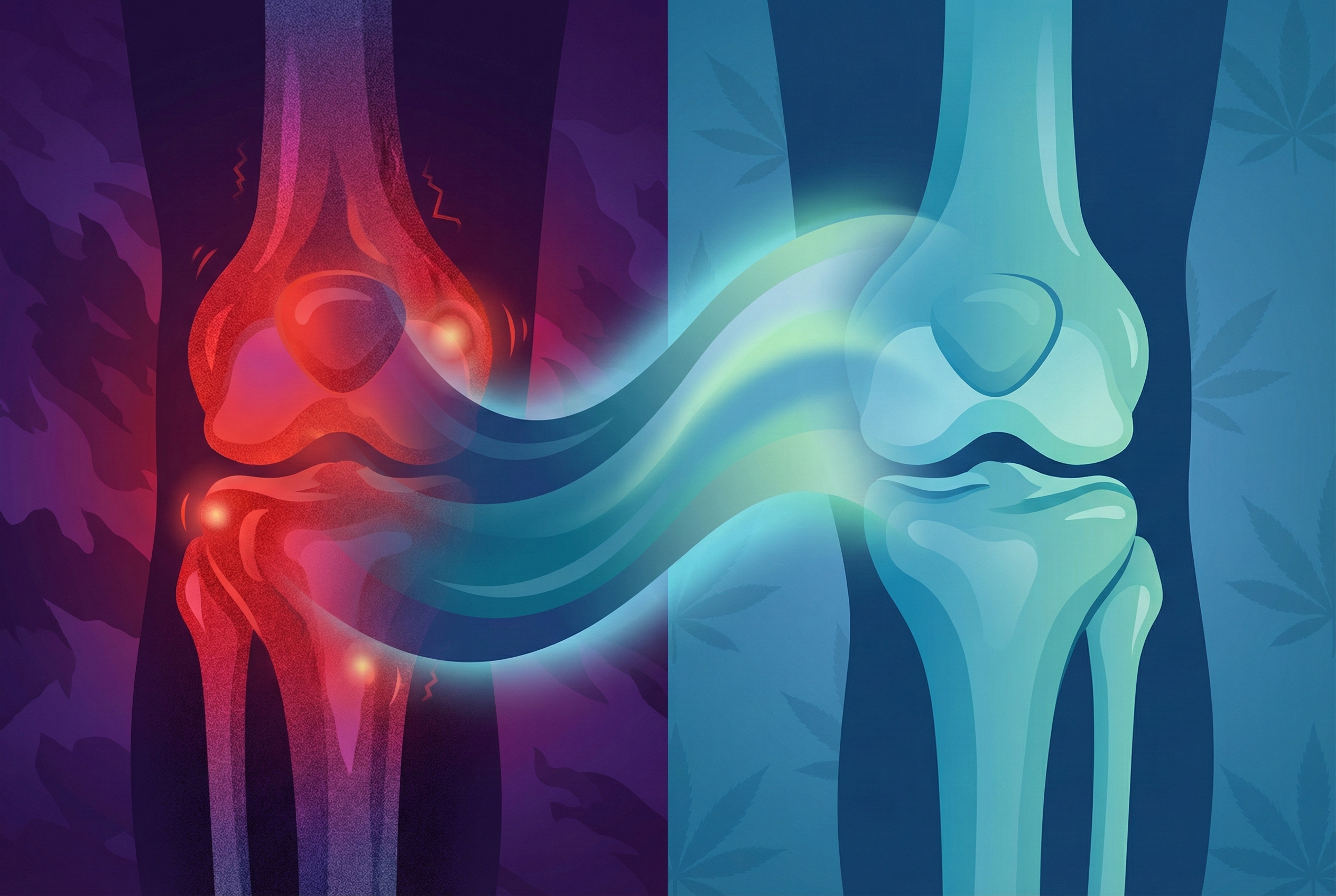
From inflammation to relief: The soothing effect of CBD.
Sleep Cycle Support
The relationship between CBD and sleep is nuanced. Unlike CBN or Delta 9, CBD is not a tranquilizer. If you take it, you will not immediately feel an overwhelming urge to pass out.
Instead, CBD supports sleep by removing the obstacles to it. By lowering anxiety and reducing physical pain, it clears the runway for sleep to happen naturally. Furthermore, studies suggest it helps regulate the sleep-wake cycle, or circadian rhythm.
Users report that while they might not fall asleep instantly, they stay asleep longer and wake up feeling more refreshed than they do with heavy sedatives. It improves the quality of rest rather than just the duration.
Seizure Control and Neuroprotection
We must mention the most scientifically proven benefit. CBD saves lives. For patients with Dravet syndrome or Lennox-Gastaut syndrome, CBD reduces the frequency and severity of seizures. This is not anecdotal; it is clinical fact.
Beyond epilepsy, this neuroprotective quality is being studied for other conditions. Researchers are looking at how CBD might protect brain cells from damage in conditions like Alzheimer's and multiple sclerosis. It seems to act as a shield for the nervous system, dampening the electrical storms that cause seizures and other neurological issues.
Skin Health
One benefit that strictly separates CBD from the other cannabinoids is its effect on the skin. The skin is packed with cannabinoid receptors. CBD has been shown to reduce sebum production, making it a legitimate potential treatment for acne.
Its anti-inflammatory nature also makes it highly effective for soothing conditions like psoriasis and eczema. You will find CBD in high-end beauty products not just for marketing hype, but because it genuinely calms reactive skin.
How to Get Better Results
The biggest mistake new users make with CBD is giving up too soon. We live in an instant-gratification world, and we expect a pill to work in twenty minutes.
CBD plays the long game. It is lipophilic, meaning it builds up in your fat cells over time. To get the best results, you must be consistent. Taking a dose once a week when you feel panic will not be as effective as taking a moderate dose every morning to prevent the panic from rising in the first place.
You are training your Endocannabinoid System to function more efficiently.
Form matters immensely. If you need whole-body relief, a tincture held under the tongue is the gold standard for absorption. If you have a specific pain point, use a high-potency topical cream. If you want the fastest possible anxiety relief, inhaling CBD vape cartridges bypasses the digestive system entirely.
Additionally, look for "Full Spectrum" products. These contain trace amounts of THC (less than 0.3%) and other minor cannabinoids. These compounds work together in the "Entourage Effect" to make the CBD significantly more effective than it would be on its own.
CBD Benefits Chart
Because CBD is so versatile, it helps to map the specific goals to the right expectations and product types.
| Benefit Goal | What People Notice | Best Forms | Timing | Evidence Level | Notes |
|---|---|---|---|---|---|
| Anxiety/Stress | "Quieting" of the mind, reduced tension. | Tinctures, Vapes | Vapes: Instant; Oil: 30-60 min. | Strong (Clinical Trials) | Non-sedating; safe for work/daytime. |
| Inflammation | Reduced swelling, improved mobility. | Topicals, Capsules | Consistent daily use required. | Strong (Animal/Human) | Often works best when used daily. |
| Sleep | Fewer wake-ups, deeper rest. | Oil, Gummies | 1 hour before bed. | Moderate (Mixed Results) | Works by calming, not sedating. |
| Seizures | Reduction in seizure frequency. | Prescription Oil (Epidiolex) | Per doctor's schedule. | Gold Standard (FDA Approved) | The only proven medical claim. |
| Skin Health | Reduction in acne/redness. | Creams, Serums | Daily application. | Moderate (Dermatology) | Balances oil production in skin. |
What the Science Actually Supports
CBD is the most studied cannabinoid in history, which means we have a clearer picture of reality here than with Delta 8 or THCa. The evidence ladder has a strong top rung: Epilepsy. The approval of Epidiolex proves undeniably that CBD has powerful neurological effects.
Below that, we have strong human clinical evidence for anxiety. Studies involving public speaking tests have shown that subjects given CBD performed with significantly less anxiety and cognitive impairment than those given a placebo.
For pain and inflammation, the evidence is a mix of promising animal studies and human observational data. We know the mechanism works; we are just refining the dosing protocols. Sleep science is the murkiest area.
Some studies show it helps; others show it has little effect compared to placebo. It appears highly dependent on why the person isn't sleeping. If anxiety is the cause, CBD works wonders. If the cause is sleep apnea, CBD might not do much.
Crucially, science supports safety. The World Health Organization has stated that CBD has a good safety profile and exhibits no potential for abuse or dependence. You cannot get addicted to CBD, and you cannot fatally overdose on it.
CBD vs Other Cannabinoids
Comparing CBD to the rest of the family helps highlight exactly why it is the "default" choice for so many.
CBD vs. THC (Delta 9): This is the classic comparison. THC is the gas pedal; CBD is the brakes. THC gets you high; CBD keeps you grounded. THC can cause anxiety; CBD reduces it. If you want to escape, choose THC. If you want to heal while staying present, choose CBD. Often, they work best together.
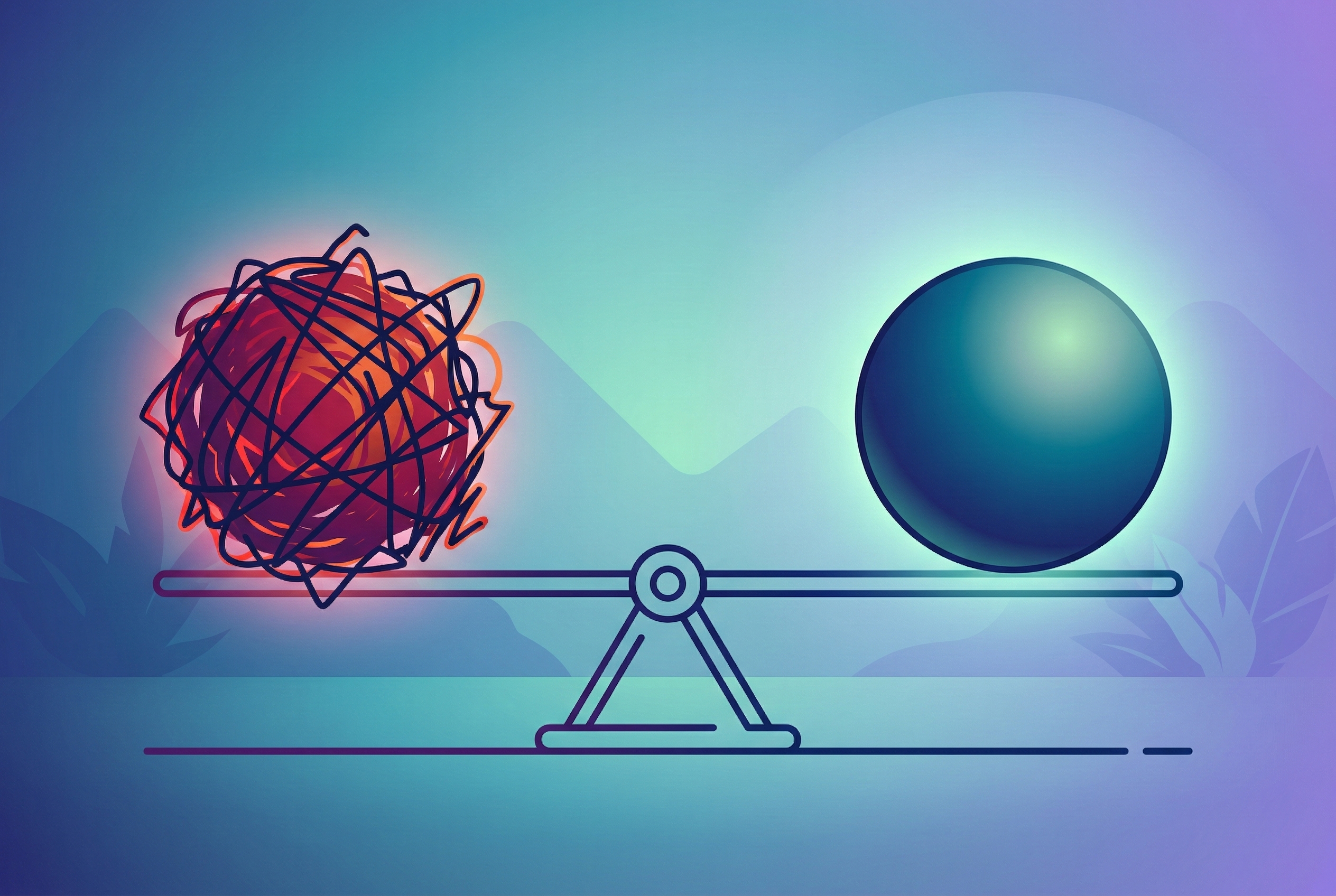
The Balancing Act: Chaos vs. Calm
CBD vs. Delta 8: Delta 8 is still a form of THC. It is intoxicating. CBD is not. If you have a drug test coming up, you should be wary of Delta 8. Broad-spectrum CBD is generally safer (though not guaranteed). Delta 8 is for recreation or heavy sensation; CBD is for wellness.
CBD vs. CBG: These two are very similar. Both are non-intoxicating. However, CBG is often called the "mother of all cannabinoids" and is more energetic. Users often find CBG better for focus and gut health, while CBD is superior for general anxiety and inflammation.
Benefits: Key Takeaways
CBD is the foundational cannabinoid. It is the safe, reliable, non-intoxicating bedrock of cannabis therapy. It is primarily used for anxiety, inflammation, and epilepsy.
- It differentiates itself by what it doesn't do: it doesn't impair your judgment, it doesn't make you paranoid, and it doesn't lock you to the couch.
- It is the best starting point for anyone new to cannabis, offering a gentle introduction to how these compounds can support a healthier, more balanced life.
Frequently Asked Questions
What is CBD used for?
CBD is used to support the body's natural balance. People use it to manage daily stress, recover from exercise-induced inflammation, soothe joint pain, and improve the quality of their sleep.
What is CBD good for?
It is exceptionally good for "quieting" systems that are overactive. Whether that is an overactive nervous system (anxiety), an overactive immune response (inflammation), or overactive electrical signaling (seizures).
What does CBD do for you?
It interacts with the Endocannabinoid System to promote homeostasis. It prevents your body from breaking down its own bliss molecules (anandamide), allowing you to feel calm and balanced for longer periods.
How long does it take to notice benefits?
Immediate effects from a vape can be felt in minutes. Tinctures take about 30 to 60 minutes. However, the deep, systemic benefits for inflammation and mood regulation often require 3 to 7 days of consistent dosing to fully manifest.
Can you take CBD every day?
Yes, and you should. CBD works best when a consistent level is maintained in the body. It is non-addictive and safe for long-term use.
Does CBD get you high?
No. It is non-intoxicating. If you feel "high" from a CBD product, it likely contains undeclared amounts of THC or was mislabeled.